How much does a locksmith cost? Across the UK, daytime labour typically runs £65-£90 an hour, and a euro cylinder change comes in around £95-£130 fitted. Many jobs are quoted as a single total covering labour and parts. If you need a quote for a job in the Newcastle area, please give me a call.
This guide draws on prices published across the UK trade to cover what different jobs typically cost, what pushes the number up or down, and how to ask the right questions before anyone starts work.
How much does a locksmith cost in 2026?
Most locksmiths across the UK charge an hourly labour rate plus the cost of parts, and the typical ranges for labour are set out below. These are national figures; individual jobs vary by lock type, location and how long the work takes.
| Rate | Typical UK price |
|---|---|
| Daytime | £65-£90 per hour |
| Evening (after around 8pm) | £90-£110 per hour |
| Late night, weekends and bank holidays | Higher again - ask before booking |
The labour cost is a starting point, not a total. Parts are charged on top and vary by lock type, so the fitted price depends on both elements together. Weekends, bank holidays, Christmas and New Year carry higher rates than a standard weekday call-out.
Locksmithing is not a licensed trade in the UK, which means anyone can call themselves a locksmith, there is no register to check and no cap on what anyone can charge - which is exactly why a firm quote before work starts matters more than any published rate.
Average locksmith prices by job
The average cost of changing locks and other common locksmith jobs - typical UK prices covering labour and parts at standard daytime hours - is set out below. Out-of-hours rates are higher. The actual locksmith cost for any locksmith job varies by lock type, location and the time the work takes.
| Job | Typical UK price |
|---|---|
| Lockout, gaining entry | £90-£140 |
| Broken key removal | £90-£100 |
| Replace locks after lost keys | £80-£130 |
| Euro cylinder change | £95-£130 |
| Anti-snap cylinder change | £140-£155 |
| Night latch change | £80-£120 |
| Mortice lock change | £130-£185 |
| uPVC multipoint mechanism replacement | £180-£215 |
| uPVC gearbox repair or replacement | £130-£220 |
| Door lock repair (front/back) | £65-£100 |
| uPVC window lock repair | £60-£95 |
| Changing all the locks in a house (average UK size home) | £350-£400 |
The repair section below covers when a repair is the right call rather than a replacement.
How much does it cost to change locks?
The cost of changing locks depends on the lock. Lock change prices run from around £80-£120 for a night latch to £130-£185 for a mortice lock, and lock replacement costs follow what each job involves - the part, how long it takes to fit, and whether the door needs any work to take it.
Euro cylinders and anti-snap cylinders
A standard euro cylinder change - the usual fitting on a uPVC door lock - typically costs £95-£130. An anti-snap cylinder change runs £140-£155 - higher because the part itself costs more: anti-snap cylinders run £15-£150 depending on the grade, against £10-£60 for a basic euro cylinder.
Basic cylinders are not tested against lock snapping. An anti-snap cylinder is designed to resist snapping, which makes it a worthwhile upgrade on a front door that uses one. High-security cylinders rated to SS312 Diamond or TS007 3-star standards cost more than a basic euro cylinder because they are tested to a higher standard. For a lock change that genuinely improves your security, an anti-snap cylinder is the upgrade worth asking about first.
Mortice locks
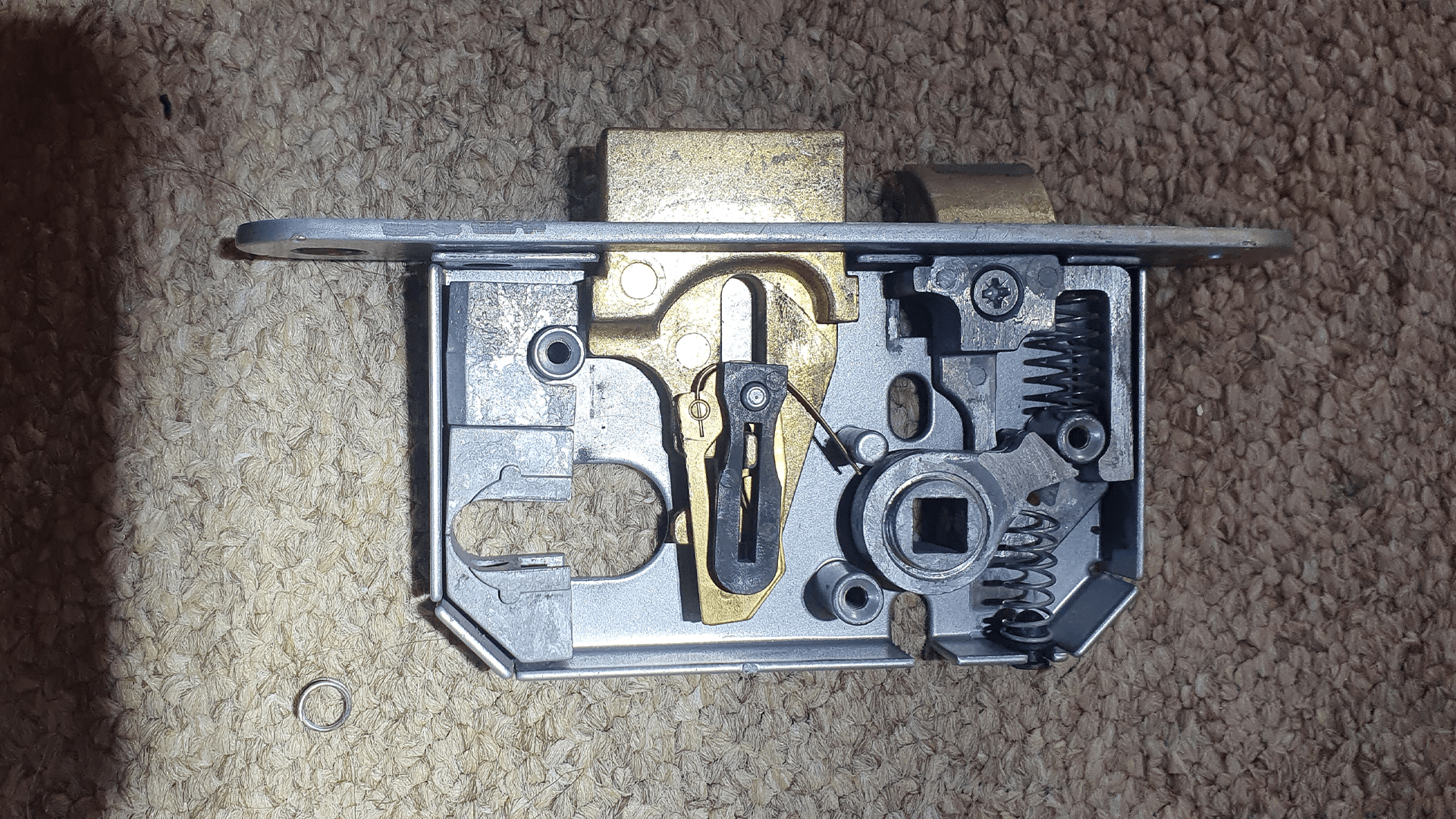
A mortice lock change typically costs £130-£185, and changes are often more involved than a cylinder swap because mortice locks come in different sizes and a replacement may need some rework to the door's lock pocket. If your home insurance policy specifies a BS3621 mortice lock, make sure any replacement meets it. As a general rule, the more levers a mortice lock has, the more resistance it offers.
Night latches (often called Yale locks)
A night latch change typically costs £80-£120. Night latches are often called Yale locks - they are the spring-latch type that a key turns from outside and a knob or lever releases from inside.
Multipoint locks on uPVC doors
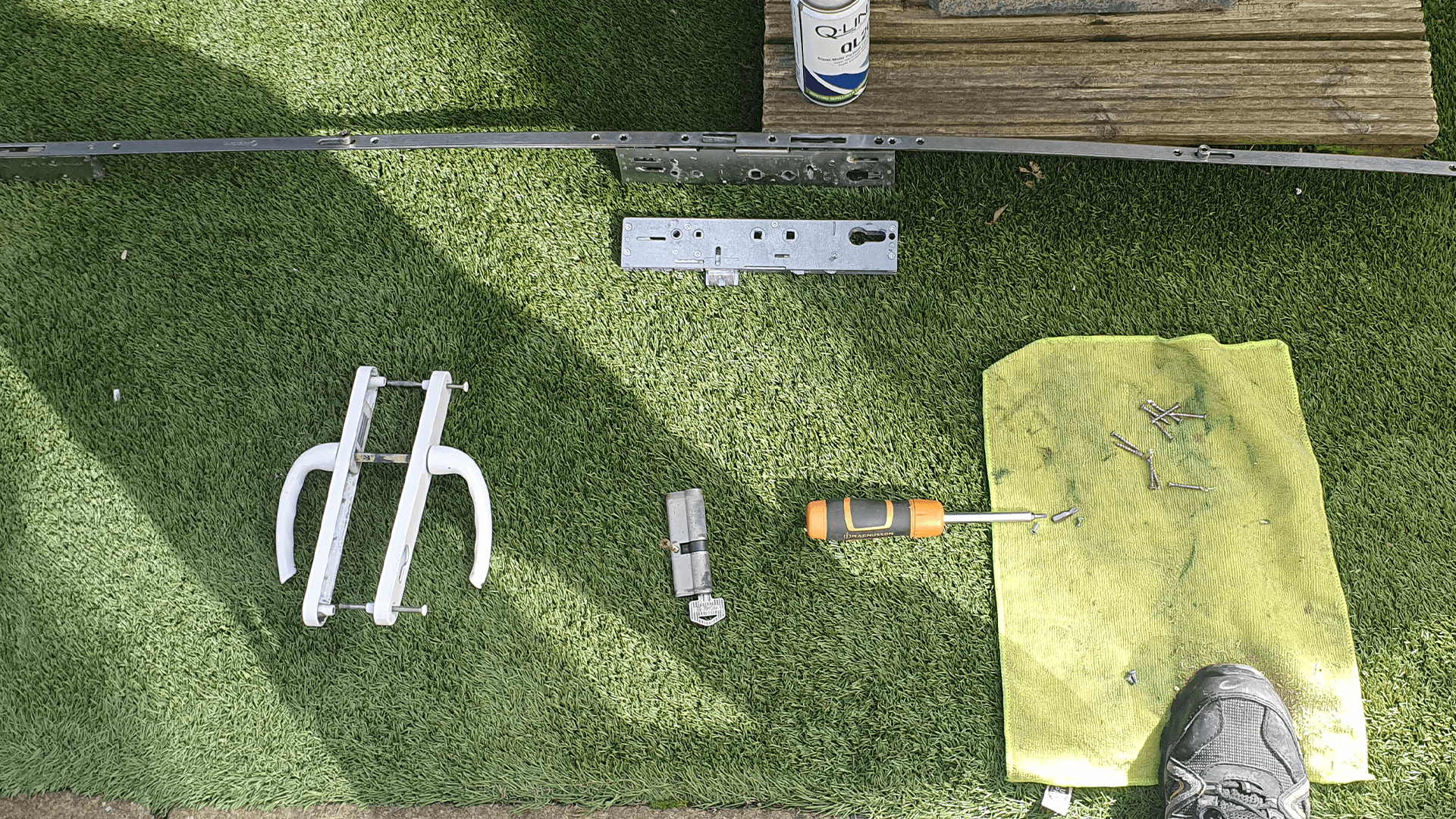
Replacing a uPVC multipoint mechanism typically costs £180-£215 for the fitted job, with the part alone running £100-£220 - multipoint mechanisms vary widely in size and design, which is why prices span that range.
Lock repair costs vs replacement
Lock repair costs are generally lower than a full replacement, and a range of common lock issues are fixable without replacing the lock. Typical UK prices for the common repairs are in the table above.
Repairing a mortice lock
Mortice lock repair suits cases where the lock has a fixable fault and the mechanism is still sound. A worn euro cylinder, on the other hand, generally warrants replacement rather than repair - it is faster and more reliable.
Gearbox and mechanism faults
A multipoint mechanism that has stopped engaging - where the handle lifts but the bolts do not shoot - is often a gearbox failure rather than a whole lock failure. A uPVC gearbox repair or replacement typically costs £130-£220 depending on whether the mechanism can be fixed or needs replacing.
When the door is the problem
If the door has dropped or the frame has shifted, replacing the lock will not fix how the door closes. A lock repair visit should include an honest look at whether door repair is also needed - fitting a new lock into a misaligned frame leaves the underlying problem unsolved and the door still hard to use.
Emergency locksmith cost
Emergency locksmith cost follows the same model as any other call-out - hourly labour plus parts - but the rate is higher outside standard hours, and the job is often more urgent.
Call-out fees
Many locksmiths charge no call-out fee. Where an emergency call-out fee is charged, it can include the first part of the job, so the call-out charge and the labour rate can overlap - ask clearly what it covers before agreeing. I do not charge a call-out fee; the bill is for work done. For out-of-hours emergencies, see the emergency locksmith page.
Why nights and weekends cost more
Evening rates step up after around 8pm and rise further through the night. Weekends and bank holidays cost more than a weekday at the same hour, so the same job on a Sunday night will be priced above a Tuesday afternoon. For a 24 hour locksmith or a 24/7 locksmith working through the night, ask specifically about the rate for your time of day and day of the week before agreeing anything. The only thing that should not change out of hours is whether you get a quote first.
Locked out: what entry costs
Gaining entry to a locked property typically costs £90-£140, depending on the lock type and whether multiple locks on the door need to be addressed.
Non-destructive entry is how I approach every lockout, and it works in over 99% of cases. The technique uses picking or manipulation rather than drilling, so the lock survives intact and there is nothing to replace once the door is open. When drilling is the only option, the entry and a lock replacement both go on the bill - which is why non-destructive entry matters from a cost point of view as much as a practical one. For a fuller explanation of the technique, the guide on what is non-destructive entry covers how it works and what it involves.
If you are locked out right now, the emergency lock-outs page has the direct contact details.
Broken key in lock
Broken key in lock removal typically costs £90-£100. Whether extraction is the right call depends on how much of the key is accessible and whether the lock itself is still in good condition.
Key stuck in lock?
A key stuck in lock without breaking can point to a lock issue as much as a key problem. Where a key has snapped and part of it remains in the barrel, the broken section is extracted first, and the condition of the lock then determines whether it is worth keeping or should be replaced.
Lost keys: do you need to change the locks?
Losing your keys is a judgment call on lock changes. If the keys went missing in a way that means someone could link them to your address - a bag stolen containing them, for example - a lock change removes the risk. Most locksmiths will replace the door lock when keys are lost. Whether your insurer contributes depends on your policy cover.
For a fuller guide to deciding when a lock change is the right call, see when should I change my locks.
Factors affecting locksmith prices
The main factors affecting locksmith prices are: the type and standard of lock, time of day, where you live, the time the job takes, distance travelled, and the size of the company. Door material doesn't change my price.
Time of day. Standard rates apply during normal working hours. After around 8pm the rate steps up, and it rises further through the night. Weekends and bank holidays carry a premium over a weekday at the same hour, so the same locksmith job on a Sunday night costs more than it would on a Tuesday afternoon.
Lock type and security rating. A BS3621 deadlock costs more than a basic 3-lever mortice lock, and an anti-snap cylinder costs more than a budget one. The specification you choose sets the parts cost directly, and the labour reflects the work involved - these are key factors because they change what the locksmith services cost on each job.
Repair or replace. A lock repair usually costs less than a full lock replacement, and whether a repair is the right call depends on the fault - see Lock repair costs vs replacement.
Travel and location. London generally costs more than the national range, and distance and travel time factor into the locksmith services cost on any job outside a locksmith's usual area.
Whether the lock has to be drilled. Drilling adds a lock replacement to the bill. Where non-destructive entry works, the cost is limited to the opening itself.
Residential locksmith services
Home locksmith work covers lock changes, repairs, burglary repairs after a break-in, fitting insurance-approved locks, window handle and mechanism work on uPVC frames, and a free security check to tell you where you stand with your door locks.
For a full list of home locksmith services and what each covers, the services page gives the breakdown. A security check before anything goes wrong can be as useful as a call-out after.
Commercial locksmith work
I can help with opening locked business premises without damage, changing door locks on office and commercial properties, and fitting a key safe for a business that needs controlled access. The work is quoted in the same way as residential jobs - a price before I start and no call-out fee.
Jobs that are priced differently
Key cutting and key duplication can be done at a shop counter or on-site by a mobile locksmith with a key-cutting machine. I do not cut keys, but it is a service many locksmiths offer. Safe opening, security grilles and smart locks are specialist areas, each quoted separately from standard door-lock work - ask for a specific quote on any of them.
Local locksmiths vs national call centres
When you call a number that looks local, it may connect to a national locksmith franchise or a call centre that dispatches a contractor in your area - which is not automatically a problem, but it does affect how locksmith prices are structured and who is accountable if something goes wrong. When calling around, it is worth asking: are they doing the work themselves or subcontracting? Is the price fixed for the job, or an estimate, and if an estimate, what could change it? Is VAT included? What does the advertised price actually cover - it could be the call-out fee only, with labour and parts charged on top. A mobile locksmith working locally, with no intermediary between you and the person who shows up, means the person who quoted you is also the person doing the work.
Why I don't publish my own prices
What I do instead: no call-out fee, so you pay for work done and nothing else. A free no-obligation quote before anything starts - you hear the number before I touch anything, and you are free to say no. And the price agreed before I start is the price you pay, even if the job turns out bigger than expected.
I cover the North East, including Newcastle, Gateshead, Cramlington, Whitley Bay, North Shields, and Sunderland.
How to get a firm quote before anyone starts
Ask these questions on the phone before anyone is dispatched:
Is that the total - labour, parts and VAT included?
Is there a fee on top for the call-out, and what does it cover?
Is that a fixed price or an estimate, and if an estimate, what could change it?
Will you try to open the lock without damaging it?
Can you confirm the price by text before you set off?
A firm, specific answer to each of those is a good sign. Vague answers that shift once someone is standing at your door are the thing this guide is intended to help you avoid.
Warning signs in a locksmith's price
An advertised price can be the call-out fee only, with labour and parts charged on top - so ask what is included before anyone is sent to your door.
Watch for a refusal to commit: "it depends" is a reasonable thing to say about an unseen job, and so is an offer to come out free of charge, look at the problem and give you a proper price before any work starts. The warning sign is a locksmith who has seen the job and still won't give you a figure. Watch for cash-only, no company name, no paperwork. Watch for a locksmith who reaches for the drill without attempting non-destructive entry - drilling is occasionally the only option, but it is rarely the first, and it immediately adds the cost of a new lock to the bill.
A quick job should not be assumed to be cheap - you are paying for training, specialist tools and knowledge, not the minutes on your doorstep.
Security upgrades worth paying for
Anti-snap cylinders cost more to fit than a standard euro cylinder, but the difference is worth paying on a front door. Euro cylinder changes typically cost £95-£130; upgrading to anti-snap runs £140-£155.
If your home insurance policy specifies BS3621 locks, check that yours meets it - insurance-approved lock installation is work I do. High-security locks certified to TS007 or SS312 standards cost more than a basic euro cylinder and offer the strongest resistance available.
A few home security tips cost nothing: keep a spare key with a trusted person rather than hidden near the door, and consider a free security check if you have recently moved or lost a set of keys.
Locksmith costs: common questions
How do locksmiths charge?
Most charge an hourly labour rate plus the cost of parts, though some quote a single job price once they know what the work involves - that combined figure is easier to compare across locksmiths than a labour rate on its own. Always confirm whether the price you are given includes parts and VAT, not just the labour.
How do locksmiths work out labour costs?
It depends on how the locksmith charges. Some charge by the hour, and on an hourly rate a faster job is a cheaper job. Others quote by the job - a fixed price however long the work takes - so a job estimated at an hour that runs to an hour and a half doesn't end up billed as two. Ask which one you are getting before anyone starts.
Is it cheaper to change a lock yourself?
On parts alone, yes - a basic euro cylinder costs around £10-£60 for the part, against a fitted price of £95-£130. The gap is the labour, call-out and warranty. The risks of a DIY fit include the lock not seating correctly, leaving a door you cannot properly secure until someone corrects it, and mortice lock changes may also need door rework that is not obvious until the job is under way. It is worth knowing that basic cylinders are not tested against snapping, so a budget self-fit may leave the door in a worse position than a professional anti-snap installation.
Can I get my locks changed for free?
In some circumstances, yes. If you rent, your landlord is responsible for repairs to doors and windows - though you may have to pay if you caused the damage yourself. Many councils also run Sanctuary Schemes, which pay for lock changes and safety work at no cost for people affected by domestic abuse, so they can stay safely in their home; some schemes extend to other vulnerability situations such as hate crime. Availability and eligibility vary by council, so contact your local council's housing or domestic abuse team for details on what is available in your area.
Will my insurer pay for a lock change?
"Replacement keys and locks" is typically an optional add-on to a home insurance policy, covering keys that are lost, stolen or damaged and the cost of changing the locks. Wear and tear and mechanical failure are generally not covered. Check your own policy wording and the excess before making a claim, and speak to your insurer before instructing a locksmith if you are planning to claim.
Published: 28th September, 2026 | Updated: 28th September, 2026