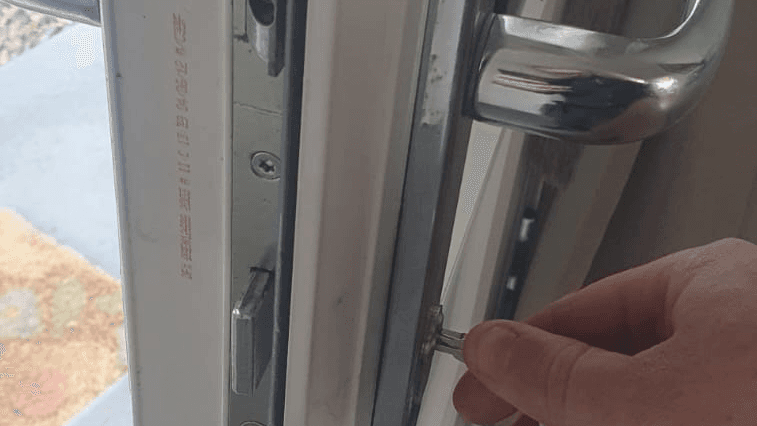
Door locks can jam at the most inconvenient times, leaving you frustrated and potentially locked out. As a professional locksmith serving Tyne and Wear for many years, I’ve helped countless homeowners and businesses resolve jammed lock issues. In this guide, I’ll share my expertise on how to troubleshoot and fix common problems with jammed and stuck locks.
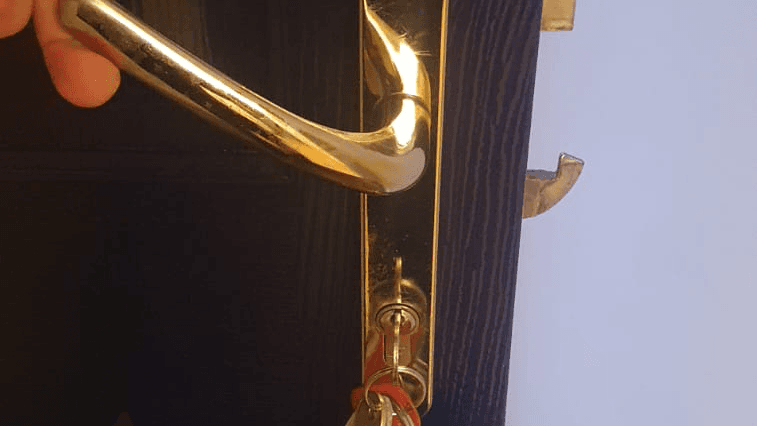
It’s crucial to check the movement of the door handle when dealing with jammed door lock issues. The internal mechanisms of the lock could be stuck and moving through its full range of motion the door handle can often ease the issue.
Understanding the Problem
A jammed door lock can be frustrating, especially when it happens unexpectedly. It’s essential to understand the problem before attempting to fix it. A jammed door lock can be caused by various factors, including worn-out parts, misalignment, or debris buildup. In some cases, the issue might be with the door frame or the door lock itself. Identifying the root cause of the problem is crucial to finding a solution.
Understanding why your door lock is jammed is the first step towards fixing it. Common causes include worn-out internal components, misalignment between the door and the frame, or debris and dirt accumulation inside the lock. Sometimes, the problem might be as simple as loose screws in the door hardware or strike plate. By pinpointing the exact cause, you can apply the most effective solution and prevent future occurrences.
Common Causes of Jammed Door Locks
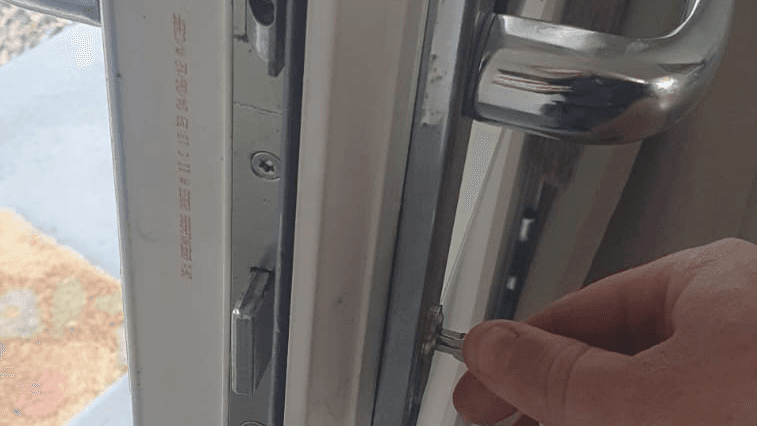
Before attempting any repair, it’s essential to understand why door locks jam in the first place:
Misaligned door or door frame causing pressure on the locking mechanism
Worn or damaged internal components within the lock body
Rust buildup or lack of lubrication in the internal mechanisms
Debris or dirt accumulation inside the lock
Loose screws in the door hardware or strike plate
Broken key fragments stuck inside the lock cylinder
Wear and tear from regular use affecting the door latch
Door knobs jamming or loosening, which can lead to lock issues and potential lockouts
Assessing the Situation
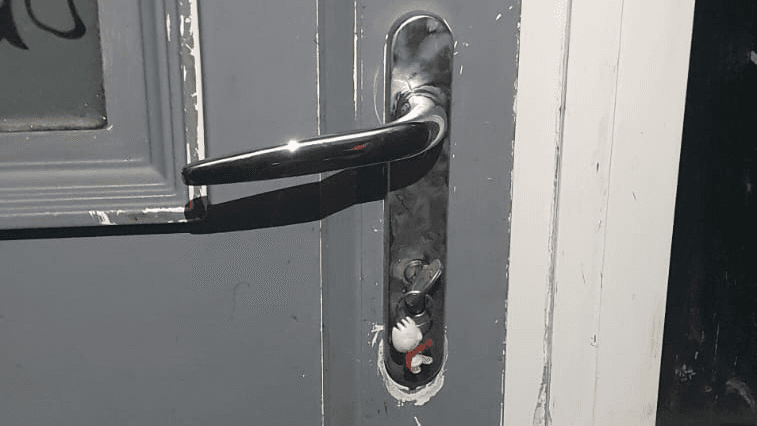
Before attempting to fix a jammed door lock, assessing the situation is essential. Check the door lock and latch to see any visible signs of damage or wear. Look for loose screws, broken parts, or debris buildup that might be causing the issue. If the problem persists, it may be necessary to call a professional locksmith to disassemble the door lock to inspect the internal mechanisms.
Start by examining the door lock and latch for any apparent issues. Are there any loose screws that need tightening? Is there visible debris or dirt that could be causing the jam? Sometimes, a simple visual inspection can reveal the problem. If everything looks intact but the lock is still jammed, you might need to take the lock apart to examine the internal mechanisms closely. This step is crucial for identifying less obvious issues, such as broken internal components or severe misalignment.
Check the Door Lock and Latch
When checking the door lock and latch, look for any signs of wear or damage. Check if the latch is appropriately aligned with the strike plate. If the latch is not aligned, it may not be able to engage with the strike plate, causing the door lock to jam. Also, check if the door lock is loose or if any loose screws need to be tightened. If the door lock is loose, it may not be able to function correctly, leading to a jammed door lock.
In addition to checking the door lock and latch, it’s also essential to inspect the door frame and jamb. If the door frame or jamb is damaged or warped, it may cause the door lock to jam. Check if the door frame or jamb is straight and if there are any signs of damage or wear.
By understanding the problem and assessing the situation, you can identify the root cause and find a solution to fix the jammed door lock. Whether it’s a worn-out part, misalignment, or debris buildup, addressing the issue promptly can help prevent further damage and ensure the door lock functions smoothly.
How to Fix a Jammed Door Lock: Step-by-Step Solutions
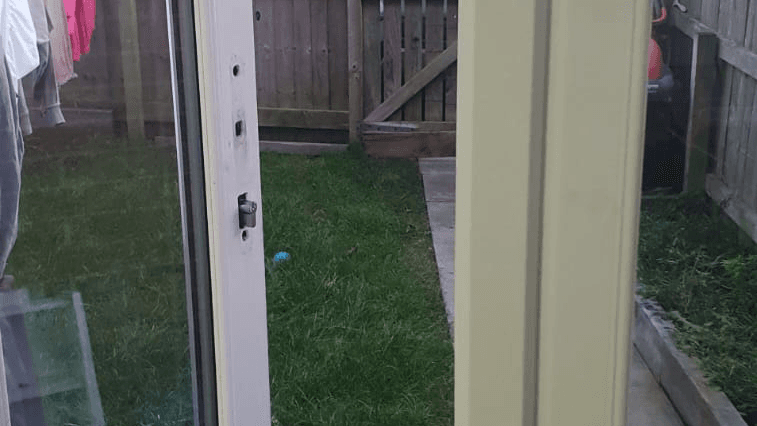
Solution 1: Check for Misalignment
If your door lock is jammed, first check if the door is correctly aligned with the frame:
Examine the door latch and strike plate to ensure they line up properly
Look for signs of the door sagging or the door jamb shifting
Tighten any loose screws in the hinges or door hardware
Misalignment is often the most straightforward repair cause and can prevent further damage to your lock. Additionally, check the door handle for alignment issues, as it plays a crucial role in the door's overall operation.
Solution 2: Lubricate the Lock
Lack of lubrication is a common cause of stuck locks:
Use a silicone-based lubricant or graphite powder (never use oil-based products as they attract dirt)
Insert the lubricant into the keyhole and lock body
Insert your key gently and turn it back and forth to check if the mechanism is moving again.
Work the door knob or handle to ensure smooth operation
For stubborn jams, you may need to apply lubricant several times to resolve the issue entirely. Lubrication is a key step in resolving a stuck lock, as it helps clear debris inside the lock and ensures the key can turn smoothly.
Solution 3: Clean the Lock Mechanism
Dirt and debris can prevent the proper function of internal mechanisms:
Use compressed air to blow out any loose debris
Apply a small amount of cleaner explicitly designed for locks
Work the key in the lock to help dislodge any stuck particles
Follow up with proper lubrication
Regular maintenance can prevent these issues from developing.
Solution 4: Address a Broken Key in the Lock
If you have a broken key stuck in your lock:
Never use excessive force to remove it, as this can cause further damage
Try using a key extractor tool available at your local hardware store
If the key is visible, gently wiggling it with needle-nose pliers might help
Spray a small amount of lubricant to ease removal
When to Seek Professional Assistance
While many jammed lock issues can be resolved with DIY methods, some complex problems require professional help:
If the lock is still jammed after trying all the above solutions
When the door latch is completely stuck in the locked position
If you suspect broken internal mechanisms
When you need access immediately for pressing matters
If dealing with high-security locks or modern car locks
As a professional locksmith in Tyne and Wear, I can quickly diagnose and fix even the most challenging jammed locks, often saving you time and preventing further damage to your door hardware.
Preventative Measures for Smooth Lock Operation
To avoid future issues with jammed locks:
Perform regular maintenance by cleaning and lubricating your locks twice yearly
Address any door alignment issues promptly
Don’t apply too much force when turning keys
Keep a spare key in a safe place
Have locks serviced professionally when you notice early signs of wear
Regularly check and maintain door knobs to ensure they are functioning correctly and replace them if they become loose or jammed
Regularly lubricate locks to prevent a stuck lock and ensure the key is intact
Conclusion
A jammed door lock doesn’t always require replacement or expensive repairs. With these troubleshooting tips, you can often resolve the issue yourself. However, if the problem persists, don’t hesitate to contact AD Locksmithing for professional assistance. Serving the entire Tyne and Wear area, I provide prompt, expert service to get your locks working properly again.
Contact me today for emergencies or to schedule preventative maintenance for your locks. Contact me today. I’m committed to helping you maintain secure and properly functioning door hardware throughout your home or business.
Published: 7th April, 2025 | Updated: 11th August, 2025